
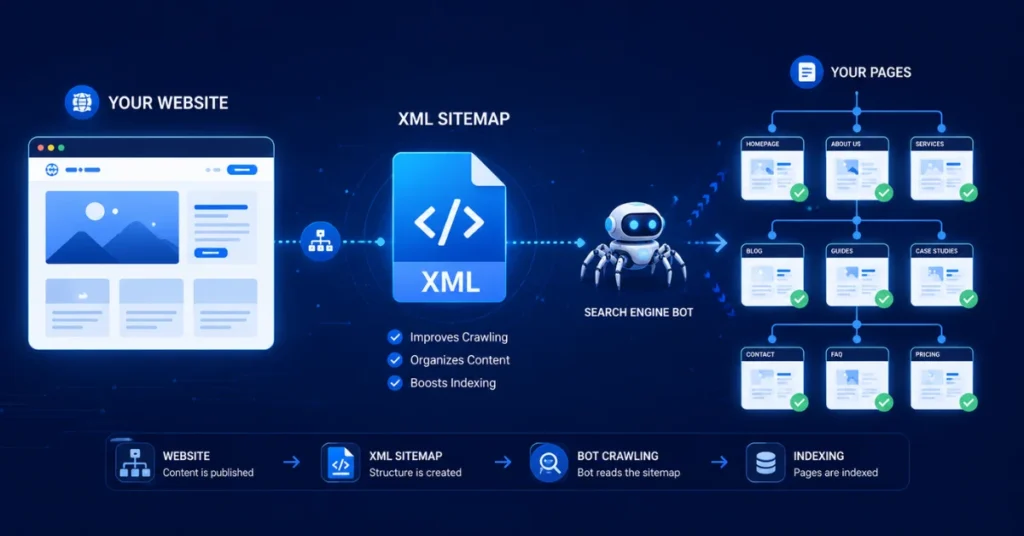
If you have ever wondered how Google discovers pages on your website, understanding what is a sitemap in SEO can make the process much clearer.
Many beginners publish content and expect it to appear in search results immediately. However, search engines first need to discover, crawl, and understand those pages. A sitemap helps make that process easier.
In this guide, you’ll learn what is a sitemap in seo, why it matters, how it helps SEO, and how to create one for your website.
- What Is a Sitemap in SEO?
- Personal Experience
- Fact #1: A Sitemap Helps Search Engines Discover Content Faster
- Fact #2: Sitemaps Support Crawling and Indexing
- Fact #3: XML Sitemaps Are the Most Important Type
- Fact #4: Not Every Website Needs a Sitemap Equally
- Fact #5: A Sitemap Can Improve Technical SEO
- Fact #6: Creating a Sitemap Is Easier Than Most Beginners Think
- Fact #7: Submitting a Sitemap to Google Is a Good Practice
- Common Sitemap Mistakes
- Do Sitemaps Directly Improve Rankings?
- Real-World SEO Experience
- What is a Sitemap in SEO? A Video Guide
- FAQ Section
- Conclusion
What Is a Sitemap in SEO?
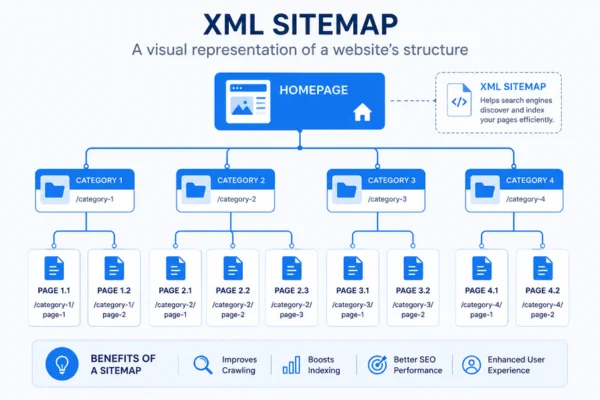
A sitemap is a file that lists the important pages on your website and helps search engines discover and understand your content.
Think of it as a roadmap for search engines.
Instead of forcing Google to find every page through links alone, a sitemap provides a structured list of URLs that you want search engines to crawl and potentially index.
The most common type used for SEO is an XML sitemap.
Example
A simple sitemap may include:
- Homepage
- Service Pages
- Blog Posts
- Category Pages
- Contact Page
This helps search engines understand your site’s structure more efficiently.
Personal Experience
During technical SEO reviews, we often find websites with incomplete or outdated sitemaps. In several cases, fixing sitemap issues improved crawl coverage and helped search engines discover important pages more efficiently.
Related: Why are sitemaps important?
Fact #1: A Sitemap Helps Search Engines Discover Content Faster
One of the biggest benefits of a sitemap is faster content discovery.
When you publish a new page, search engines may eventually find it through internal links.
However, a sitemap provides an additional signal that tells search engines:
“These pages exist and are important.”
This can be especially useful for:
- New websites
- Large websites
- E-commerce stores
- Websites with deep page structures
Looking to learn SEO? Check Our Free Support
Fact #2: Sitemaps Support Crawling and Indexing
A sitemap does not guarantee indexing.
However, it helps search engines find pages that deserve attention.
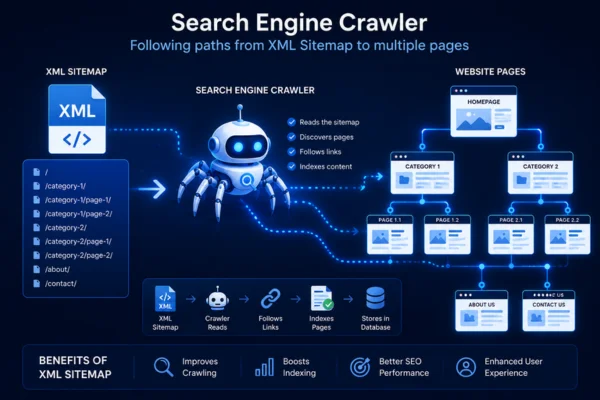
This connects directly with crawling and indexing.
- Crawling = Discovering pages
- Indexing = Storing pages in Google’s database
A sitemap supports the crawling process by showing search engines where pages are located.
Related: What Is Crawling and Indexing in SEO?
Fact #3: XML Sitemaps Are the Most Important Type
There are different types of sitemaps.
XML Sitemap
Created specifically for search engines.
Example:
yourwebsite(dot)com/sitemap(dot)xml
HTML Sitemap
Created primarily for users.
It helps visitors navigate a website more easily.
For SEO purposes, XML sitemaps are generally more important.
Fact #4: Not Every Website Needs a Sitemap Equally
Google can often discover pages through internal links.
However, sitemaps become extremely valuable when:
- Your website is new
- Your site has hundreds of pages
- Internal linking is limited
- Some pages are difficult to discover
- You frequently publish content
Small websites with excellent internal linking may rely less on sitemaps, but having one is still considered best practice.
Fact #5: A Sitemap Can Improve Technical SEO
A sitemap is a foundational part of technical SEO.
When performing technical SEO audits, professionals often verify:
- Sitemap existence
- Sitemap accessibility
- Sitemap accuracy
- Sitemap submission status
An outdated sitemap can create confusion for search engines.
A clean sitemap supports a healthier website structure.
Related: What Is a Technical SEO Audit?
Fact #6: Creating a Sitemap Is Easier Than Most Beginners Think
Most websites can generate sitemaps automatically.
WordPress
Popular SEO plugins generate sitemaps automatically:
- Rank Math
- Yoast SEO
After activation, the sitemap is usually available at:
yourdomain.com/sitemap_index.xml
Other Platforms
Most modern CMS platforms also provide sitemap generation features.
Always verify that the sitemap is accessible and includes your important pages.
Fact #7: Submitting a Sitemap to Google Is a Good Practice
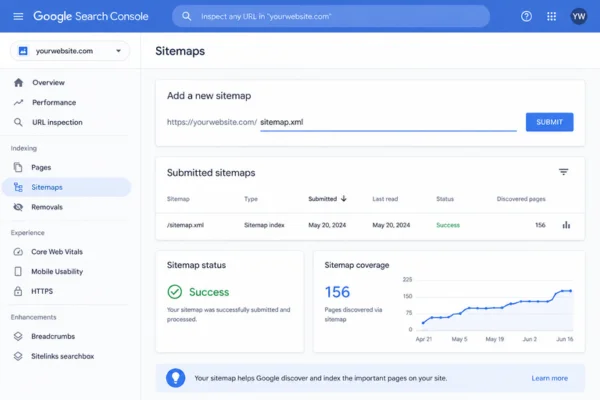
Although Google can discover sitemaps automatically, manual submission provides additional visibility.
How to Submit a Sitemap
- Open Google Search Console
- Select your property
- Navigate to Sitemaps
- Enter sitemap URL
- Click Submit
Once submitted, Google can monitor sitemap activity and report potential issues.
Common Sitemap Mistakes
Avoid these common errors:
Including Broken Pages
Do not include URLs returning 404 errors.
Blocking Important Pages
Ensure important pages are crawlable.
Forgetting Updates
Sitemaps should stay current.
Including Noindex Pages
Pages marked as noindex generally should not appear in the sitemap.
Do Sitemaps Directly Improve Rankings?
No.
A sitemap is not a ranking factor.
However, it can indirectly support SEO by:
- Improving page discovery
- Supporting crawl efficiency
- Helping search engines find new content
Better discovery can ultimately support organic visibility.
Real-World SEO Experience
During technical SEO reviews, one issue we frequently notice on newer websites is missing or incomplete sitemaps.
In several cases, important service pages were not included in the sitemap, making it harder for search engines to discover them efficiently.
After fixing sitemap issues and ensuring proper internal linking, crawl activity improved significantly.
While a sitemap alone won’t guarantee rankings, it plays an important role in helping search engines access your content.
What is a Sitemap in SEO? A Video Guide
FAQ Section
What is a sitemap in SEO?
A sitemap is a file that lists important pages on your website and helps search engines discover and understand your content more efficiently.
Do sitemaps help SEO?
Yes. While sitemaps do not directly improve rankings, they help search engines discover and crawl important pages.
What is sitemap.xml in SEO?
A sitemap.xml file is an XML sitemap that contains a structured list of URLs for search engines.
Can a website be indexed without a sitemap?
Yes. Search engines can discover pages through internal links, but a sitemap makes discovery easier and more efficient.
What is the difference between a sitemap and crawling?
A sitemap is a roadmap that lists pages, while crawling is the process search engines use to discover and analyze those pages.
Do WordPress websites automatically create sitemaps?
Yes. Most SEO plugins, such as Rank Math and Yoast SEO, automatically generate XML sitemaps.
Conclusion
Understanding what is a sitemap in SEO can help you build a stronger technical SEO foundation.
A sitemap acts as a roadmap for search engines, helping them discover important pages and understand your website structure more efficiently.
While a sitemap does not directly improve rankings, it supports crawling, indexing, and overall site visibility.
For most websites, creating and submitting an XML sitemap is a simple but valuable SEO best practice.